
Injection molding and die casting both use steel tools to produce repeatable parts, but they are suited to different materials and part requirements. The choice starts with the material and the function of the part.
Injection molding
Injection molding forms thermoplastic or silicone parts by injecting heated material into a mold cavity. It supports complex shapes, color matching, insert molding and high-volume production. Tooling includes the mold base, cavity and core inserts, runner system and cooling.
Die casting
Die casting injects molten metal into a steel die under pressure. It is used for aluminum, zinc, magnesium and other cast alloys, producing thin walls, fine surface detail and good dimensional stability at volume.
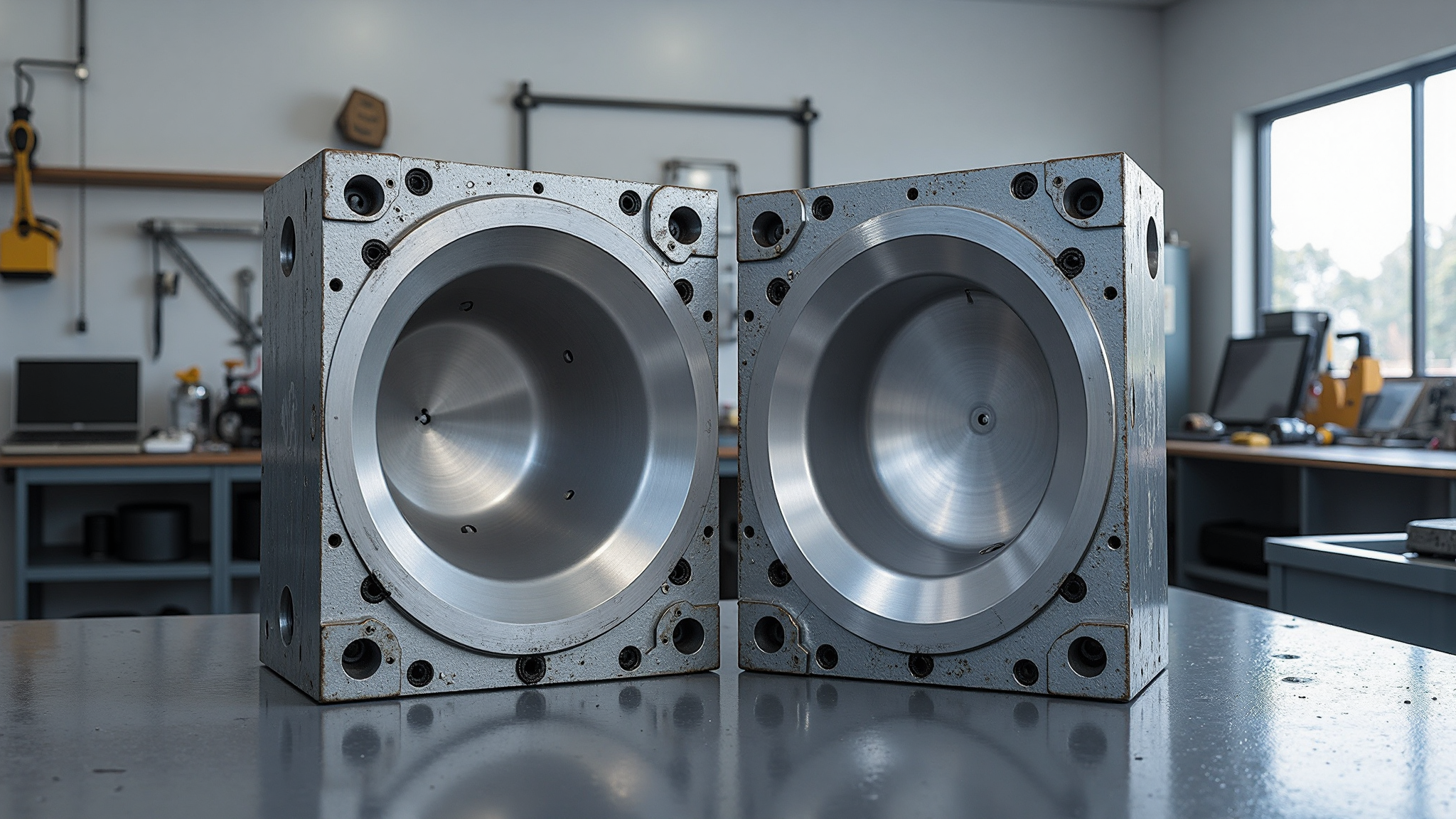
Comparison points
| Point | Injection molding | Die casting |
|---|---|---|
| Material | Thermoplastics, silicone | Aluminum, zinc, magnesium and other cast alloys |
| Typical part | Plastic housings, caps, connectors, inserts | Metal housings, brackets, thin-wall structural parts |
| Tooling | Mold base, cavity and core, runner and cooling | Die, cavity and core inserts, runners and cooling |
| Surface | Texture, color and insert options | Fine cast detail with secondary finishing options |
Tooling review
Before committing to a tool, review part geometry, draft angles, wall thickness, gate location, cooling and ejection. A DFM report and mold-flow analysis can highlight fill, warp and cooling risks before steel is cut.
Share your drawing and target volume; we will recommend the process and tooling approach.